ELECTRONICS & TELECOMMUNICATION ENGINEERING
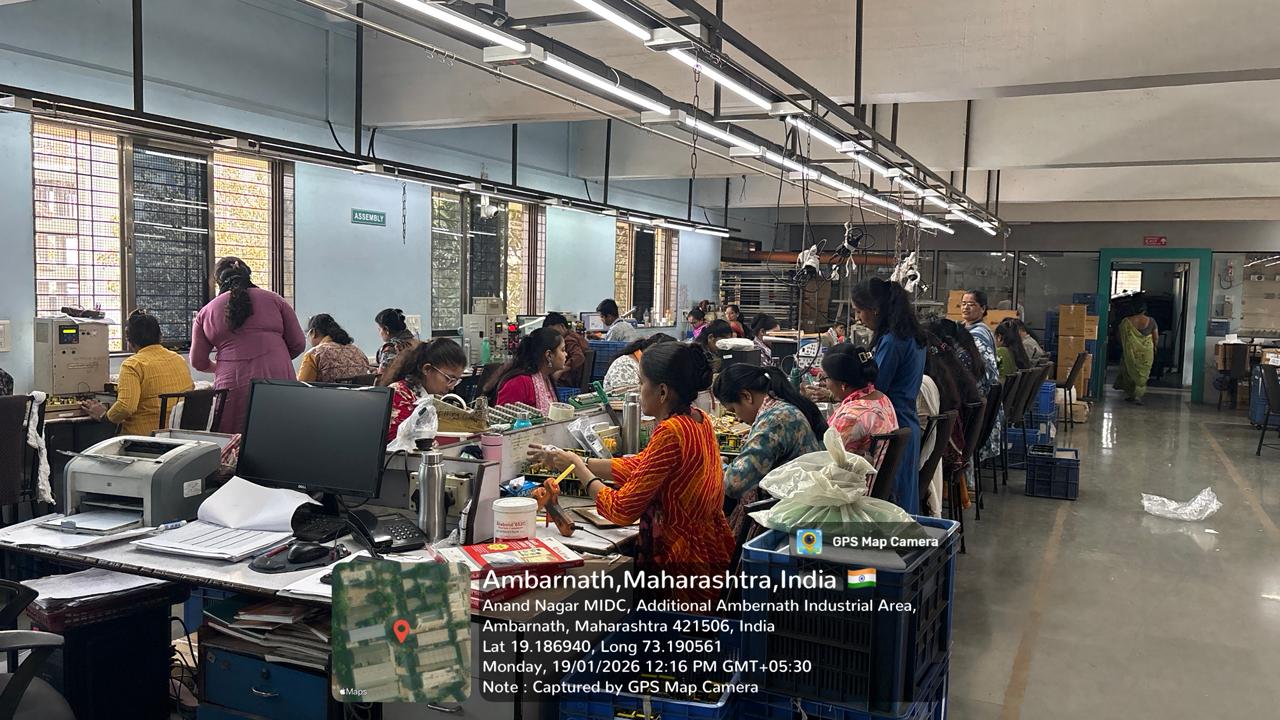
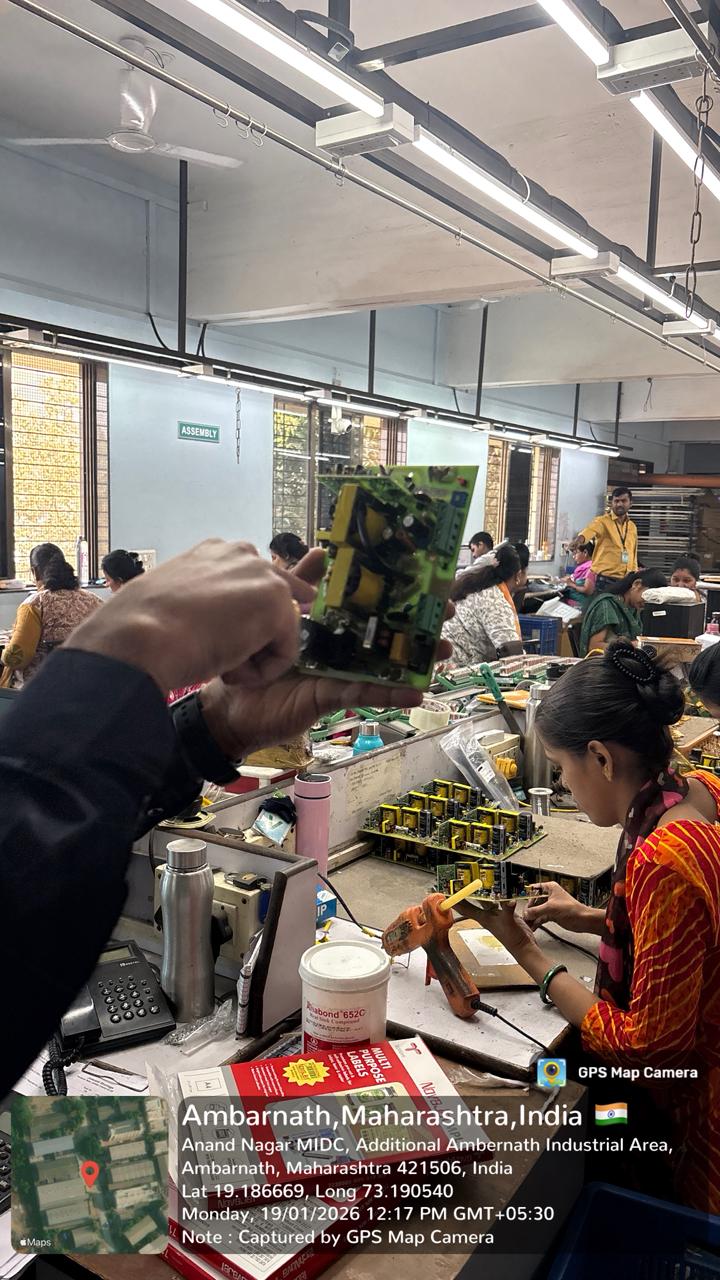
An electronics and communication engineer can work in aviation and avionics, consumer electronics, electricity plant, manufacturing, radio and television, distribution, communication and telecommunication, computer application, analytical equipment manufacturing and offshore industries.
This branch of engineering helps us to see, hear and communicate over vast distances, supervise production and manufacturing processes and oversee installation and maintenance of computers, peripherals and components.
We work with equipment that uses extremely small amounts of power. The role of the electronics engineer is pivotal in various areas ranging from the toy industry to consumer electronics, from household articles to space/satellite communication.
VISION
MISSION
To develop Electronics and Telecommunication Engineers with sound technical knowledge focusing on social and industrial demons with professional ethics.
M1: To create an environment for imparting technical education through an effective teaching-learning process.
M2: To develop industry driven and Entrepreneurial Skills through co-curricular and extra curricular activities.
M3: To provide value based education for socio-economic enhancement of the nation.
NAME | DESIGNATION | QUALIFICATION | EXPERIENCE |
Mrs. Vaishali S. Nikam | I/C HOD | B.E. Electronics Engineering. M.E.- Electronics and Telecommunication Engineering. | 2 Years Industrial 20 years Teaching |
Ms. Kamlesh Badhe | Lecturer | B.E. Electronics Engineering. M.E.- Electronics and Telecommunication Engineering. | 20 Years Industrial 10 years Teaching |
Mr. Jaysing Kakade | Lecturer | B. E. Electronics and Telecommunication Engineering. M. E. Pursuing | 10 Years Teaching |
PEO 1. Provide socially responsible, environment friendly solutions to Electronics and Telecommunication engineering related broad-based problems adapting professional ethics.
PEO 2. Adapt state-of-the-art Electronics and Telecommunication engineering broad-based technologies to work in multi-disciplinary work environments.
PEO 3. Solve broad-based problems individually and as a team member communicating effectively in the world of work.
Program Outcomes (PO) given by NBA.
PO 1. Basic knowledge: Apply knowledge of basic mathematics, sciences and basic engineering to solve the broad-based Electronics and Telecommunication engineering problems.
PO 2. Discipline knowledge: Apply Electronics and Telecommunication engineering knowledge to solve broad-based Electronics and Telecommunications engineering related problems.
PO 3. Experiments and practice: Plan to perform experiments and practices to use the results to solve broad-based Electronics and Telecommunication engineering problems.
PO 4. Engineering tools: Apply relevant Electronics and Telecommunications technologies and tools with an understanding of the limitations.
PO 5. The engineer and society: Assess societal, health, safety, legal and cultural issues and the consequent responsibilities relevant to practice in field of Electronics and Telecommunication engineering.
PO 6. Environment and sustainability: Apply Electronics and Telecommunication engineering solutions also for sustainable development practices in societal and environmental contexts.
PO 7. Ethics: Apply ethical principles for commitment to professional ethics, responsibilities and norms of the practice also in the field of Electronics and Telecommunication engineering.
PO 8. Individual and team work: Function effectively as a leader and team member in diverse/ multidisciplinary teams.
PO 9. Communication: Communicate effectively in oral and written form.
PO 10. Life-long learning: Engage in independent and life-long learning activities in the context of technological changes also in the Electronics and Telecommunication engineering and allied industry.
PSO 1. Electronics and Telecommunication Systems: Maintain various types of Electronics and Telecommunication systems.
PSO 2. EDA Tools Usage: Use EDA tools to develop simple Electronics and Telecommunication engineering related circuits.